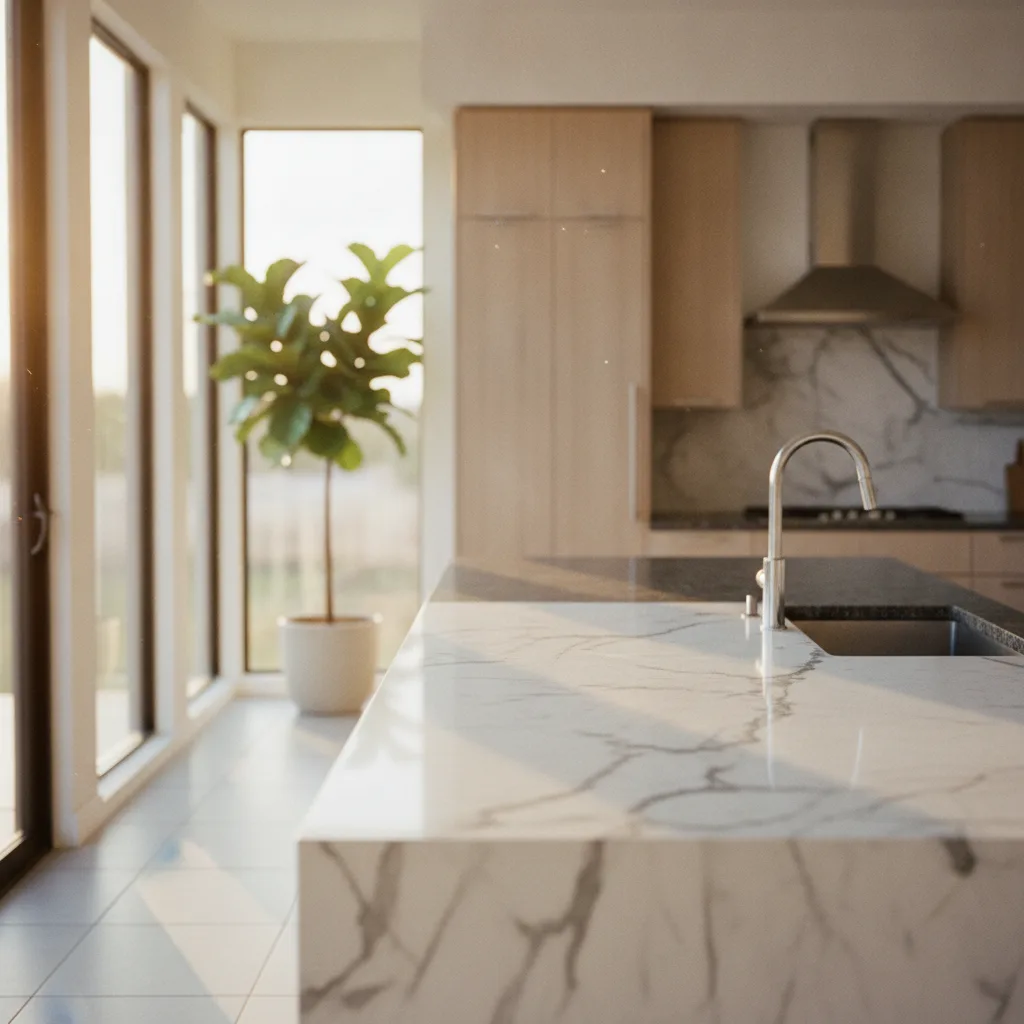
Granite is the better choice for kitchen countertops, outdoor kitchens, and any high-traffic surface where performance matters. It rates 6–7 on the Mohs scale — nearly twice the hardness of marble's 3–4 — resists scratches, acidic spills, and UV exposure, and needs sealing only every 1–3 years. Marble belongs in bathrooms, fireplace surrounds, and baking stations where its timeless beauty and flowing veins can shine without daily punishment from acids and abrasion. For a 40 sq ft kitchen, granite runs $2,800–$7,000 installed versus $3,800–$10,000 for marble. The decision comes down to where the stone lives and how your household actually uses it.
Granite wins on every performance metric; marble wins on visual drama. That's the honest summary of this comparison, and if you accept it, the rest of the decision becomes straightforward. Granite rates 6–7 on the Mohs scale versus marble's 3–4, resists acidic spills that etch marble on contact, and needs resealing only every 1–3 years — making it the right stone for kitchens, outdoor kitchens, and high-traffic surfaces. Marble's flowing veins and luminous finish, especially in varieties like Calacatta marble from Carrara, Italy, deliver a natural beauty that granite simply doesn't replicate — making it the right stone for bathroom vanities, fireplace surrounds, and spaces where aesthetics lead and daily punishment is low. The key differences between these two natural stones come down to geology, and once you understand that, the room-by-room choice becomes obvious.
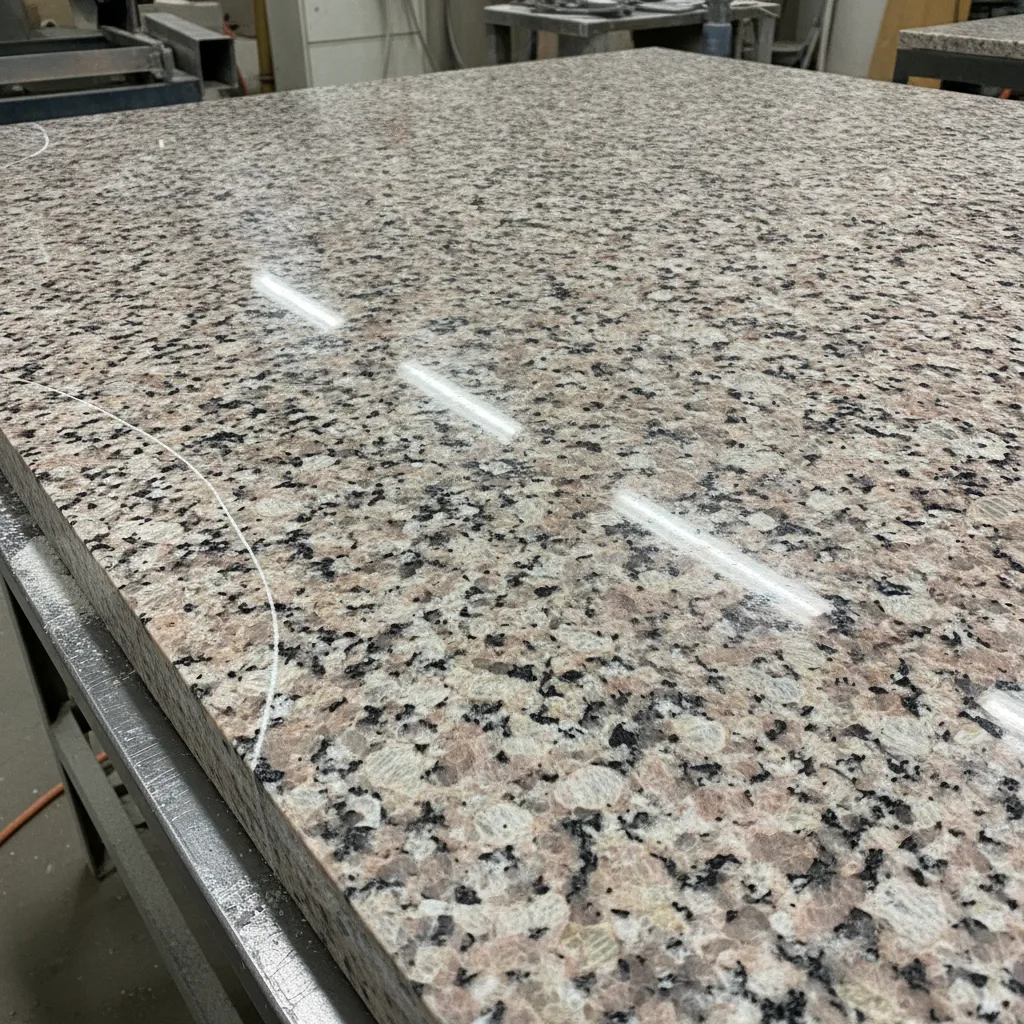
The hardworking igneous rock built for busy kitchens, outdoor spaces, and low-fuss living
The dramatic metamorphic rock prized for timeless beauty — and worth the extra care in the right rooms
Granite is an igneous rock formed when molten magma cools slowly underground over millions of years. That slow cooling process allows large mineral crystals — quartz, feldspar, and mica — to grow and interlock tightly, producing the granular, speckled appearance granite is known for. The quartz component alone rates 7 on the Mohs scale, which is why the overall stone lands at 6–7. It's harder than a steel knife. A steak knife dragged across granite surfaces leaves no mark.
That mineral composition is also why granite resists etching. Household acids — lemon juice, vinegar, wine, coffee — react with calcium carbonate. Granite contains almost none. Its quartz, feldspar, and mica structure doesn't respond to those acids the way marble does, which is why comparing granite and marble on stain resistance always favors granite in a working kitchen.
Granite's compressive strength exceeds 200 MPa, compared to marble's 70–120 MPa. That strength gap explains why granite handles outdoor exposure, granite flooring in high-traffic areas, and bar tops in outdoor kitchens without the surface degradation that softer stone materials show over time. For any surface that sees real daily use in Central Texas heat, granite's formation process gives it an inherent performance advantage no sealant can replicate in marble.
Marble is a metamorphic rock composed primarily of calcium carbonate (calcite, CaCO3), formed when limestone is subjected to intense heat and pressure deep inside earth's crust. That metamorphic process recrystallizes the calcite into a smooth, interlocking structure and forces other minerals — iron oxides, graphite, clay — through the stone, creating the flowing veins that define marble's appearance. Calacatta marble's bold gray and gold veining comes from a small quarry zone near Carrara, Italy, where the specific mineral mix during formation produced one of the most sought-after natural stone slabs in the world.
The same process that creates marble's timeless beauty creates its limits. Calcite rates only 3 on the Mohs scale, making marble a softer stone than most household objects that contact it — knives, silica grit tracked in on shoes, and even some abrasive cleaners will scratch marble surfaces. The calcium carbonate composition also means marble is a porous stone that reacts directly with acids on contact. That reaction — not just absorption, but an active chemical process — is why etching happens even on a freshly sealed marble surface.
Marble slabs do offer something granite cannot: a smooth texture, natural shine, and veining patterns that look hand-carved and one-of-a-kind. The rarity of specific varieties like Calacatta marble, combined with a fabrication surcharge of 15–20% over granite due to the material's delicacy, explains both its premium price and the reason designers continue specifying it for statement spaces where aesthetics drive the decision.
| Dimension | Granite | Marble |
|---|---|---|
| Hardness (Mohs Scale) | 6–7 (quartz, feldspar, mica composition) | 3–4 (calcium carbonate / calcite composition) |
| Scratch Resistance | Excellent — a steak knife leaves no mark | Poor — knives, grit, and silica scratch it easily |
| Stain Resistance | High — less porous, resists most spills when sealed | Moderate — more porous stone, absorbs acidic spills faster |
| Heat Resistance | Excellent — withstands hot pots and pans directly | Good — handles heat but extreme heat can stress the stone over time |
| Sealing Frequency | Every 1–3 years | Every 6–12 months |
| Installed Cost (40 sq ft kitchen) | $2,800–$7,000 ($40–$175/sq ft) | $3,800–$10,000 ($65–$250/sq ft; Calacatta $130–$200+) |
| 10-Year Maintenance Cost | Low — sealing only, minimal upkeep | $600–$2,000+ (sealing + re-polishing every 3–7 years) |
| Best Use Rooms | Kitchens, outdoor kitchens, high-traffic surfaces, bar tops, granite flooring | Bathroom vanities, fireplace surrounds, shower surrounds, baking stations, wall cladding |
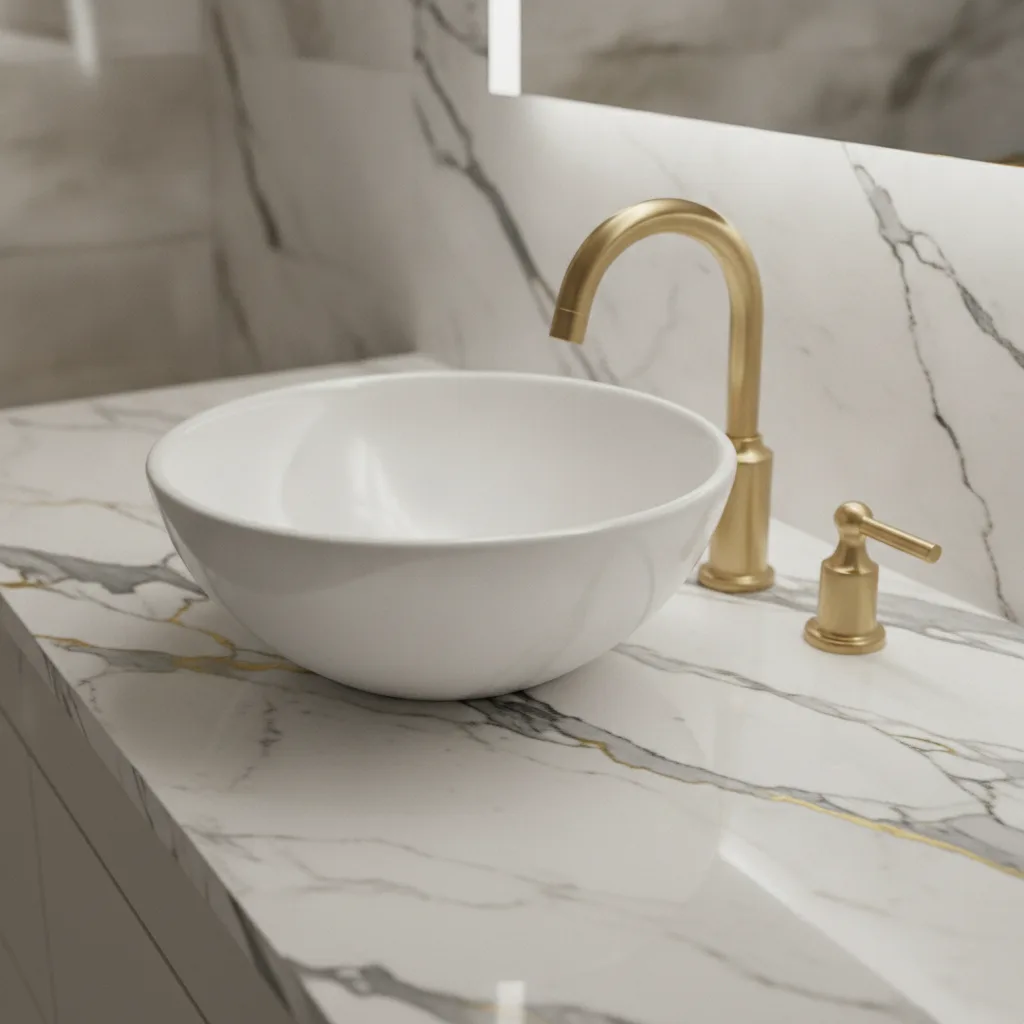
Yes, marble stains and etches. Marble is a porous stone composed primarily of calcium carbonate (calcite), and acidic spills — lemon juice, vinegar, wine, coffee — react with that calcite directly, leaving dull marks called etching. Even with regular sealing, marble requires immediate cleanup of acidic spills. A sealed surface slows absorption into the porous surface; it doesn't stop the chemical reaction on contact. Granite, by contrast, resists etching because its mineral composition of quartz, feldspar, and mica doesn't react with household acids the same way. On the outdated question: granite is not outdated in 2026. The 2026 Houzz Kitchen Trends Study shows granite at 15% of new countertop choices, down from 19% in 2025 — that's a declining market share, not obsolescence. Certain busy, dark granite patterns from the early 2000s do look dated. White and soft gray granite slabs are completely current. The slab you choose matters as much as the material.
Granite is the right natural stone countertop for active kitchens, outdoor kitchens, and any high-traffic surface where superior durability matters more than visual drama. Its performance advantages over marble aren't marginal — they're built into the geology.
If your household cooks real food, entertains regularly, or has kids who aren't gentle with surfaces, granite is the practical choice that won't require you to change your habits. It withstands temperatures from hot pots and pans, resists acidic spills that would mark marble within minutes, and carries a 50–100+ year lifespan with minimal upkeep.
Marble countertops belong in rooms where aesthetics lead and daily acid exposure is low. When the conditions are right, marble's timeless beauty is genuinely worth the extra care — and the extra cost.
Marble is not a low-maintenance stone, and pretending otherwise leads to regret. But in the right room — a master bathroom with calm daily use, a fireplace surround with zero food contact, a baking station where a cooled marble surface is actually a functional advantage — its natural beauty justifies the commitment to proper care and more frequent sealing.
Granite and marble don't have to be an either/or decision. The smartest approach for many Central Texas homeowners is granite countertops in the kitchen and outdoor kitchen — where scratch resistance, stain resistance, and heat resistance matter most — and marble in the master bathroom, powder room, or fireplace surround, where its natural beauty can shine without the daily punishment of food and acids.
This combination lets you choose each natural stone material for what it does best. You get granite's superior durability in the spaces that demand it and marble's visual drama in the spaces that reward it. You're not compromising on either front — you're assigning each stone to the room where its strengths align with that room's actual demands.
When comparing granite and marble side by side in a showroom, look at the slab in person rather than relying on digital samples. Veining patterns in marble vary slab to slab; granite colors vary by origin. The slab you select determines whether the result feels current or dated, regardless of which natural stone material you choose.
Marble countertops belong in rooms where aesthetics lead and daily acid exposure is low. Master bathroom vanities and powder rooms are the clearest example — you're not squeezing lemon juice or splashing vinegar there. Marble's smooth texture and natural veining bring a quiet elegance to bathrooms that granite's speckled, granular pattern simply doesn't replicate. A honed finish also shows etching less visibly than a polished one, which is a practical tip worth knowing before you select your slab.
Fireplace surrounds are another strong application for marble surfaces. There's no food contact, cleaning is minimal, and the visual impact of a white marble surround with flowing veins is hard to match with any other natural stone material. Calacatta marble in particular — $130–$200+ per square foot installed — makes a fireplace the focal point of an entire room. If the budget and the commitment to regular sealing are both realistic, marble in the right space is absolutely worth it.
Granite and marble don't have to be an either/or decision. The smartest approach for many Central Texas homeowners is granite countertops in the kitchen and outdoor kitchen — where scratch resistance, stain resistance, and heat resistance matter most — and marble in the master bathroom, powder room, or fireplace surround, where its timeless beauty can shine without daily punishment.
This combination lets you choose marble for the visual drama it delivers best and granite for the performance it delivers best. You're not compromising on either front. Fox Granite carries both natural stone materials in our New Braunfels showroom, and we're happy to bring samples to your home so you can see exactly how each slab looks in your actual light. A free in-home consultation is the easiest way to make this decision with confidence — not guesswork.
If your kitchen sees daily cooking, young kids, frequent entertaining, or anything resembling a real Central Texas cookout, granite countertops are the right stone — full stop. Lemon juice, wine, vinegar, and tomato sauce all cause etching on marble surfaces within minutes of contact. On granite, those same acidic spills wipe clean without leaving a mark. That's not a minor advantage; it's the difference between a countertop that stays beautiful and one that shows wear patterns within 1–2 years.
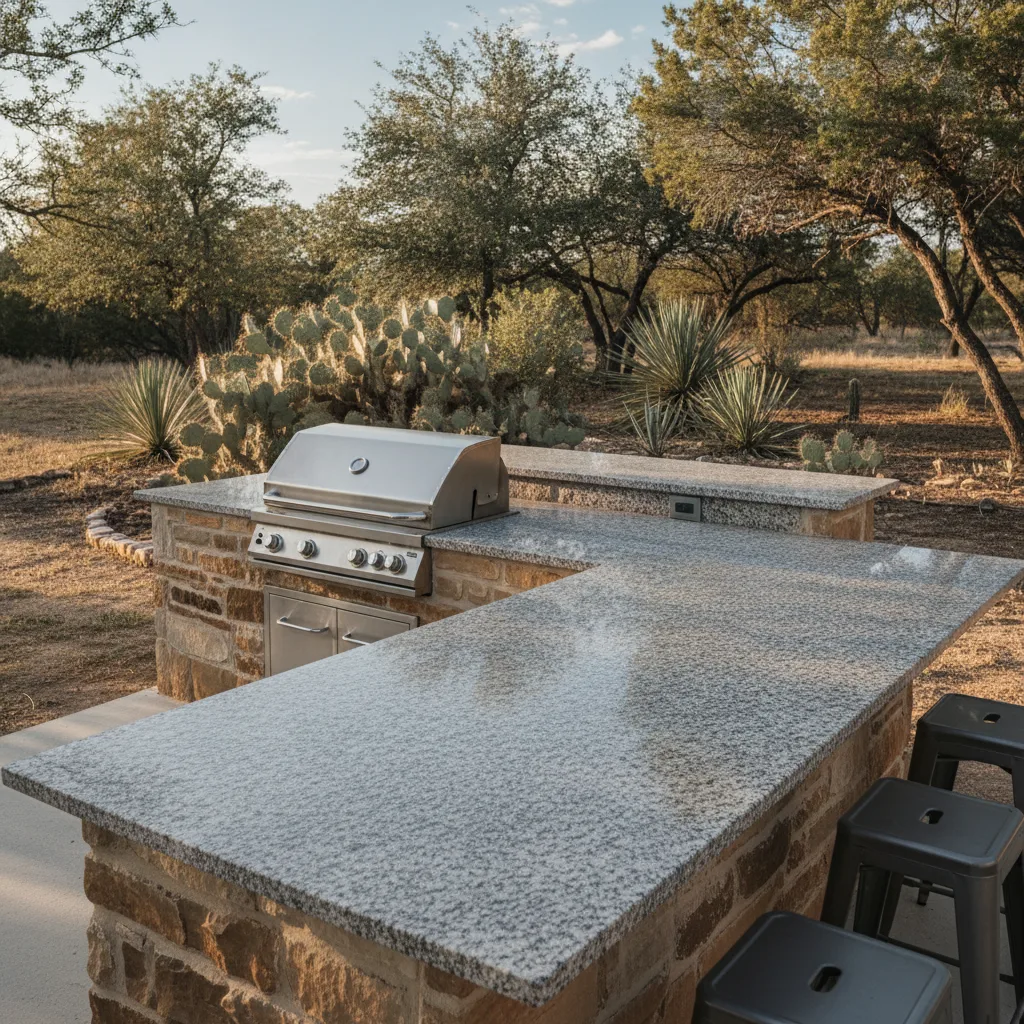
The same logic applies to outdoor kitchens. Granite handles UV exposure, outdoor temperatures, and the kind of long-term outdoor exposure that causes marble to weather, stain, and degrade. If you're planning an outdoor kitchen in Austin, San Antonio, or anywhere in Central Texas, granite is the only natural stone material that makes sense for that application. Granite flooring, bar tops, and high-traffic surfaces all benefit from the same compressive strength (200+ MPa) and heat resistance that make it nearly indestructible outdoors.
When comparing granite or marble, the decision ultimately comes down to two questions: Where will the stone live, and how does your household actually use that space? Granite surfaces deliver superior durability wherever performance is non-negotiable. Marble surfaces deliver timeless beauty wherever controlled use and diligent maintenance are realistic. Both natural stone materials last 50–100+ years when properly cared for — the difference is what proper care looks like day to day.
For granite or marble countertops in Austin, San Antonio, New Braunfels, and across Central Texas, trust Fox Granite. We've completed over 10,000 projects since 2010 using in-house fabrication, transparent all-in pricing, and a process designed to make your decision easy rather than overwhelming. Contact us today to schedule your free in-home consultation, or visit our New Braunfels showroom to see granite and marble slabs side by side before you decide.
Ready to get started? Contact Fox Granite today.


BY APPOINTMENT ONLY
1379 Wald Road
New Braunfels, TX 78132
Austin, San Antonio, Cedar Park, Kyle, New Braunfels, Del Valle, Elgin, Lago Vista, Shady Hollow, Onion Creek, Buda, San Marcos, Lockhart, Temple, Wimberley, Dripping Springs, Bee Cave, Lakeway, Leander, Anderson Mill, Jollyville, Spicewood Springs, Round Rock, Georgetown, Pflugerville, Manor, Taylor, Manchaca, Mountain City, Hutto, West Lake Hills, Bastrop, Liberty Hill, Driftwood, Sun City, Steiner Ranch.